
Reduce Joint Pain Naturally Through Anti-Inflammatory Eating
Discover how the right foods can calm inflammation, ease joint stiffness, and support lasting mobility — backed by nutritional science and shared by our editorial team.
- Evidence-informed articles on food and joint health
- Practical meal ideas and anti-inflammatory food guides
- Insights from nutrition researchers and wellness writers
- Free educational content — always open, always ad-light
Get Weekly Joint Wellness Articles
Join our editorial newsletter — thoughtful reads on nutrition, inflammation, and joint health delivered to your inbox.
No spam. Unsubscribe anytime. See our Privacy Policy.
The information on this site is for educational purposes only and does not constitute medical advice. Always consult a qualified healthcare professional before making health decisions.
Why Anti-Inflammatory Eating Matters for Your Joints
Nutritional research continues to reveal compelling links between diet patterns and the experience of joint discomfort. Here is what the science tells us.
Chronic Inflammation Is Widespread
Low-grade, persistent inflammation is increasingly recognized as a root factor in joint discomfort. Dietary choices are among the most accessible levers we have to influence it daily.
Food Choices Have Real Impact
Research supports that diets rich in omega-3s, polyphenols, and fiber are linked with lower markers of inflammation in the body — measurable differences seen in study after study.
Mobility Can Improve Meaningfully
People who shift toward plant-forward, omega-rich eating patterns often report greater ease of movement over time. Simple, consistent changes to meals can support how your joints feel day to day.
What Inflammation Does to Your Joints — and How Food Fights Back
Inflammation is the body's natural defense response, but when it becomes persistent, it can work against you — gradually wearing down cartilage, stiffening tissues, and amplifying pain signals in and around your joints. This process, often invisible at first, is what underlies many forms of joint discomfort experienced by adults across all ages.
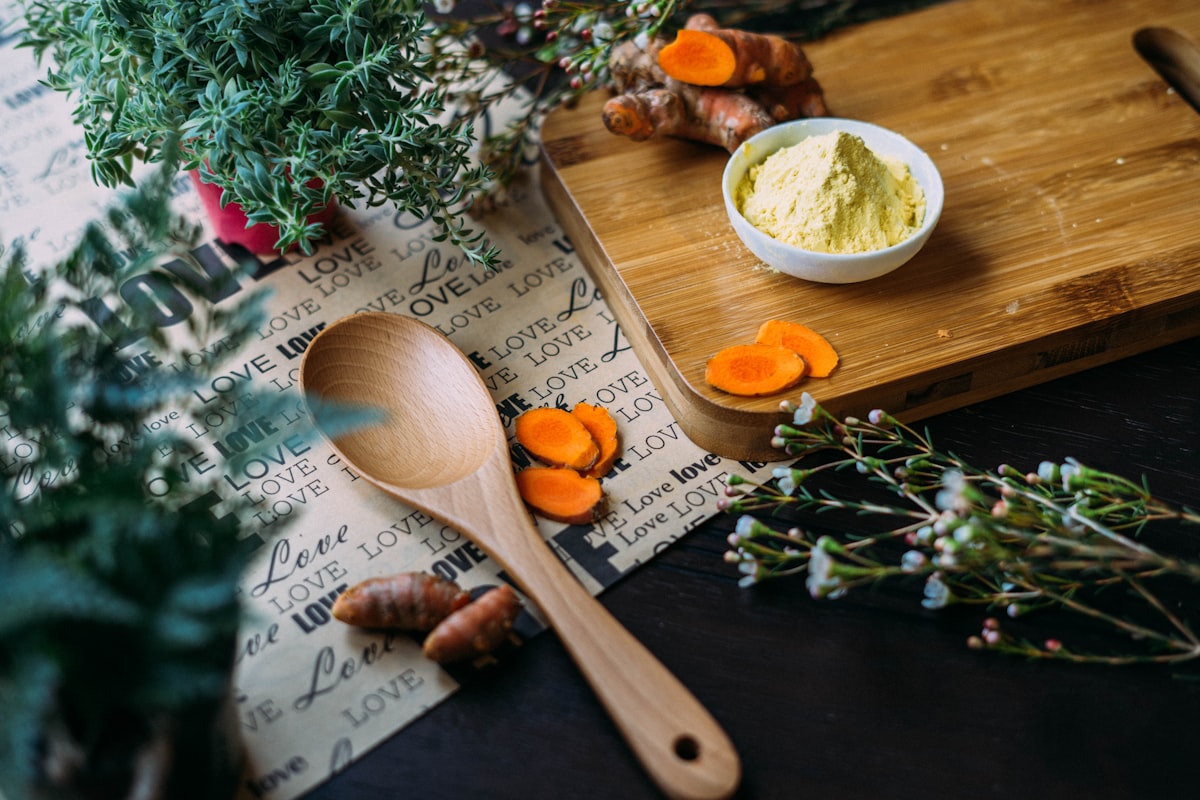
The encouraging news is that dietary patterns have a measurable effect on inflammatory markers. Foods rich in antioxidants neutralize damaging free radicals. Omega-3 fatty acids found in fatty fish help regulate the body's inflammatory signaling. Compounds in colorful vegetables and fruits — from turmeric's curcumin to berries' anthocyanins — support a less reactive inflammatory environment throughout the body.
Our editorial content at Nutritionjointwisdom is dedicated to translating this science into actionable, everyday choices. We cover which foods to prioritize, which to limit, and how to build satisfying, joint-friendly meals without sacrificing flavor or variety.
Explore Our Recipes3 Steps to an Anti-Inflammatory Lifestyle
Shifting your diet doesn't require an overnight overhaul. Our editorial guides walk you through a sustainable, enjoyable transition that your joints will thank you for.
Learn Which Foods Help — and Which Harm
The first step is building awareness. Not all inflammation-triggering foods are obvious. Ultra-processed snacks, refined sugars, and certain cooking oils can quietly elevate inflammatory signals. Meanwhile, foods like salmon, walnuts, leafy greens, and olive oil actively support a calmer inflammatory state. Read our foundational articles on food categorization to start with clarity.
Build a Weekly Meal Framework
Once you understand the landscape, structure matters. Our editorial team has assembled practical weekly frameworks — not rigid meal plans, but flexible templates you can adapt. These include a colorful breakfast base, anti-inflammatory lunch staples, and dinner patterns centered around healthy fats and lean proteins. Consistency over weeks is where the difference is felt most.
Track How Your Body Responds
The anti-inflammatory journey is personal. Pay attention to how your joints feel after meals, whether morning stiffness eases, and how your energy levels shift over weeks. Keeping a simple food and symptom journal — even informal notes on your phone — helps you identify patterns unique to your body. Our articles offer guidance on self-monitoring without turning into an obsession.
Top Anti-Inflammatory Foods to Add to Your Plate Today
These nutritional powerhouses are consistently highlighted in the research. Incorporating even a few of these into daily meals can begin shifting your body's inflammatory balance.
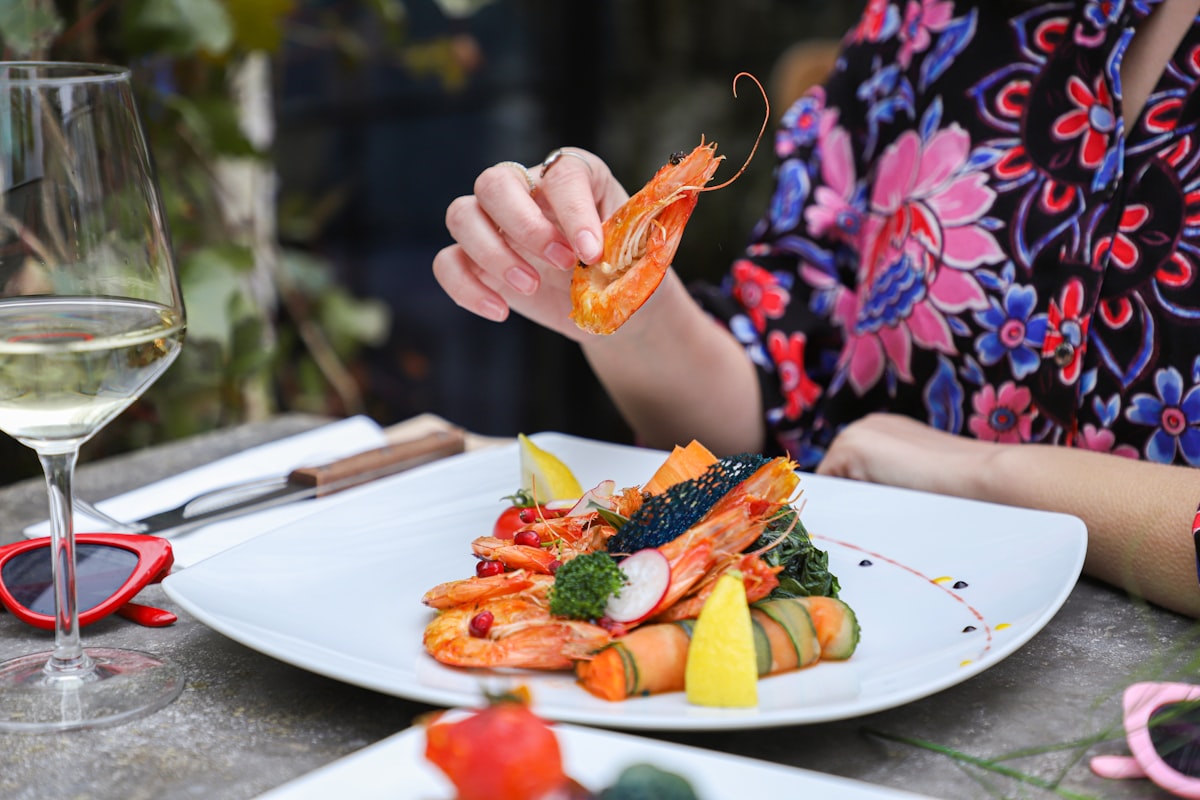
Wild-Caught Salmon
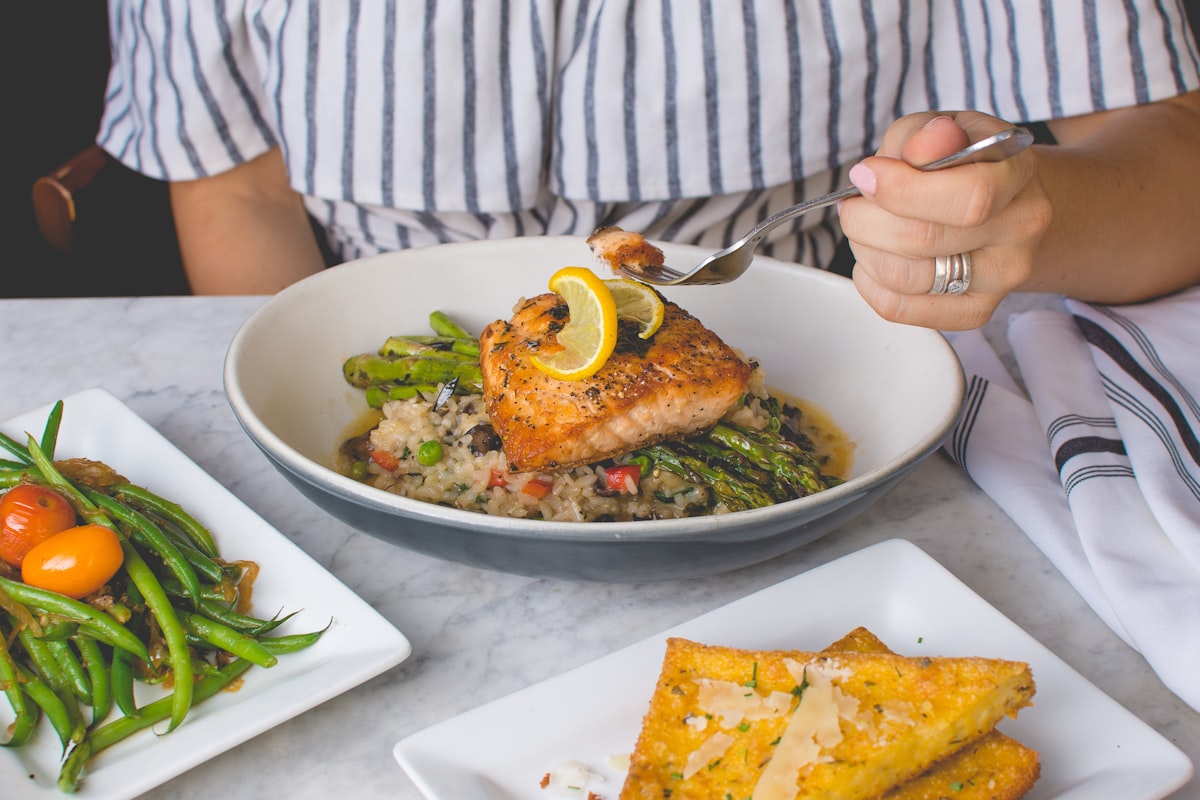
One of the richest sources of EPA and DHA omega-3 fatty acids, wild salmon helps modulate the body's inflammatory response at the cellular level. Aim for two or more servings per week for meaningful impact on joint tissue.
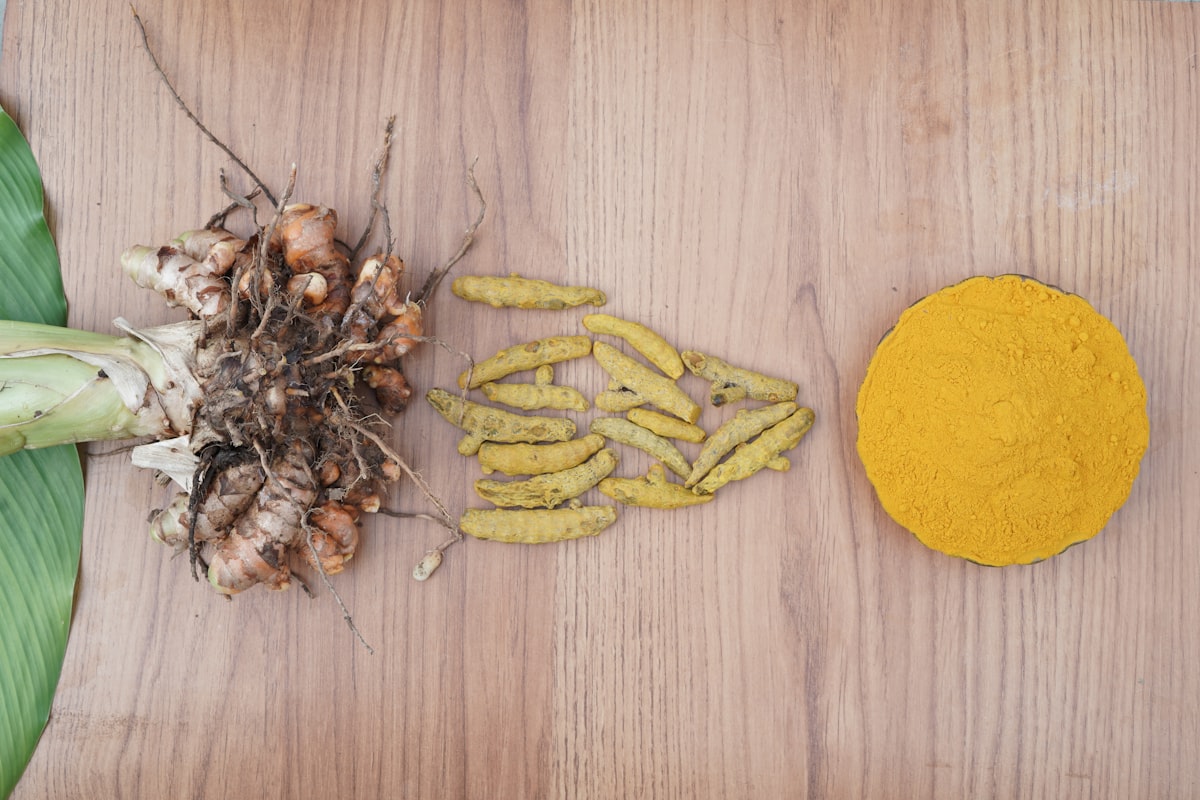
Turmeric
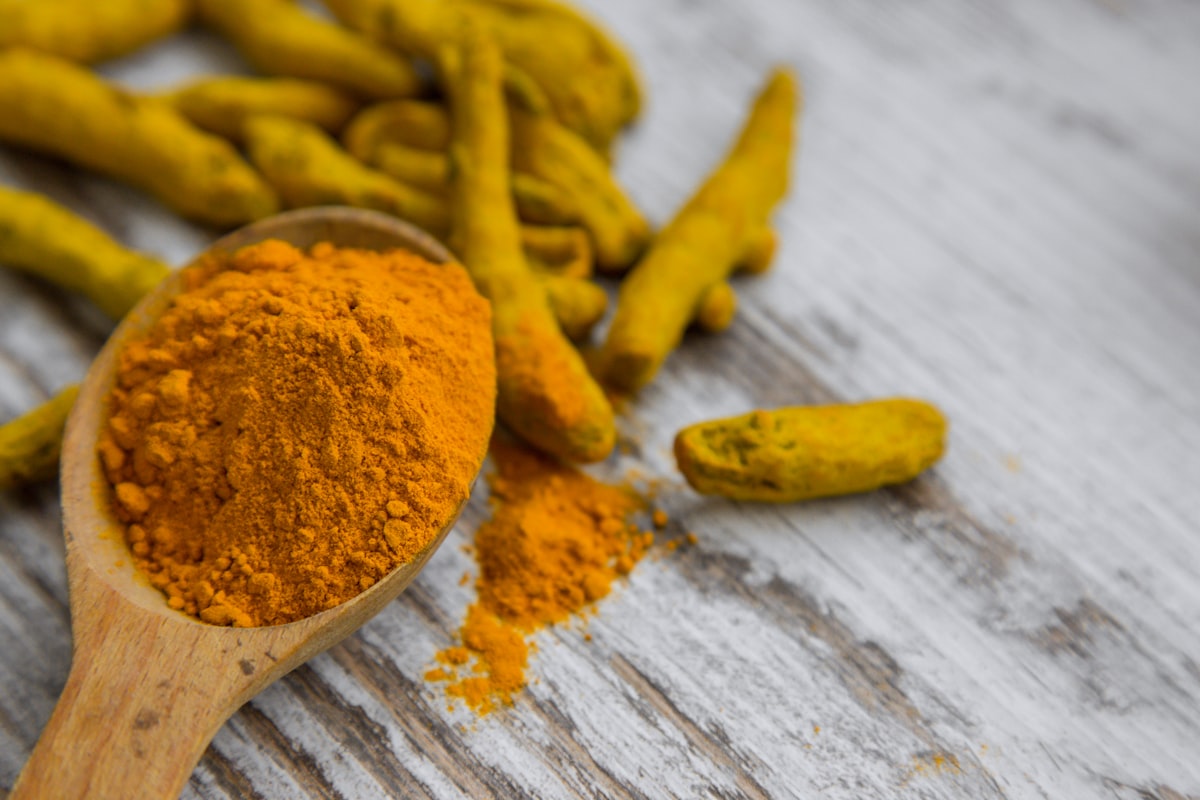
Curcumin, the active compound in turmeric, has been studied extensively for its ability to block certain inflammatory pathways. Pairing it with black pepper significantly boosts absorption — make it a staple in soups, smoothies, and roasted vegetables.
Dark Leafy Greens
Spinach, kale, Swiss chard, and collard greens deliver vitamin K, folate, and powerful antioxidants that help neutralize the free radicals associated with joint inflammation. Include a large handful at lunch and dinner for broad, daily benefit.
Blueberries & Tart Cherries
Anthocyanins in blueberries and cherries are among the most studied natural anti-inflammatory compounds in fruit. Tart cherry juice in particular has shown up in research on exercise-related joint recovery, making these fruits a smart daily addition.

Extra Virgin Olive Oil
Cold-pressed extra virgin olive oil contains oleocanthal, a compound that works similarly to certain anti-inflammatory agents in how it inhibits inflammatory enzymes. Use it as your primary cooking and dressing oil for consistent, whole-diet benefits.
Walnuts & Flaxseeds
Both walnuts and ground flaxseeds offer plant-based ALA omega-3s along with magnesium and fiber — nutrients that collectively support a lower-inflammation internal environment. A small handful of walnuts or a tablespoon of flaxseed daily makes a meaningful dietary shift.
Real People, Real Joint Relief
Our readers share how shifting their diet — guided by our editorial content — made a genuine difference in how their joints feel and how they move through their days.
"I had been dealing with stiff knees every single morning for years. After following the anti-inflammatory eating guides on Nutritionjointwisdom for about six weeks — adding salmon twice a week, switching to olive oil, and cutting refined sugar — the morning stiffness became noticeably shorter and less intense. I finally feel like I can get out of bed without dreading those first steps."
Margaret L. — Denver, Colorado
"The article on turmeric and curcumin absorption was genuinely eye-opening. I had been using turmeric in my cooking for months without black pepper, and apparently that makes a huge difference in how much your body actually absorbs. After pairing them together consistently, the aching in my finger joints — which I have had since my early fifties — has softened considerably. Simple change, real result."
Robert A. — Austin, Texas
"As someone managing rheumatoid arthritis, I am always looking for reliable, science-grounded information that is also actually readable. Nutritionjointwisdom strikes that balance better than anything else I have found. The weekly meal framework guide helped me restructure my grocery list without stress, and within two months my rheumatologist noted reduced swelling at my follow-up. I send the articles to friends and family all the time."
Sandra P. — Portland, Oregon
Frequently Asked Questions
Answers to the questions our readers ask most often about anti-inflammatory eating and joint wellness.
Why Readers Trust Nutritionjointwisdom
Nutritionjointwisdom exists because there is a gap between what nutrition science says and what most people actually read at breakfast. Our editorial team includes writers with backgrounds in nutritional health, registered dietetics, and science communication — people who care deeply about translating research into readable, actionable content for everyday Americans dealing with joint discomfort.
We do not sell supplements, promote specific brands, or offer medical advice. Everything on this platform is independent editorial content created for educational purposes. When we cover a study or a food, we follow the evidence — not a sponsor's preference.
Our Chicago-based team believes that people who are informed eat better, feel better, and are better equipped to work alongside their healthcare providers. That's the mission driving every article, recipe guide, and FAQ we publish.
Meet Our Editorial TeamResearch-Referenced Content
Every key claim we make is traceable to published nutritional research or guidance from recognized dietetic and medical organizations.