
Ease Your Joints Naturally with Anti-Inflammatory Eating
Our editorial team explores the science and practical wisdom behind dietary choices that help reduce joint inflammation, support mobility, and promote long-term musculoskeletal health.
- Evidence-based articles on anti-inflammatory nutrition
- Practical food guides written by registered dietitians
- Real stories from people who transformed joint health through diet
- Curated recipes and meal frameworks for joint relief
Get Weekly Joint Wellness Insights
Our editorial newsletter delivers the latest anti-inflammatory research, food spotlights, and reader-favorite articles — straight to your inbox, every week.
The information on this site is for educational purposes only and does not constitute medical advice. Always consult a qualified healthcare professional before making health decisions.
Why Joint Nutrition Education Matters
Understanding the connection between your daily food choices and joint inflammation is the first step toward meaningful, lasting relief. Our editorial mission is to make that knowledge accessible.
Deeply Researched Content
Every article on Nutritionjointwisdom is rooted in peer-reviewed nutritional science, reviewed by credentialed dietitians before publication.
A Growing Reader Community
Readers across the United States have found meaningful dietary clarity through our guides, stories, and practical meal frameworks.
Broad Topic Coverage
From omega-3s and turmeric to meal planning strategies and hydration, we cover every aspect of anti-inflammatory nutrition for joint health.
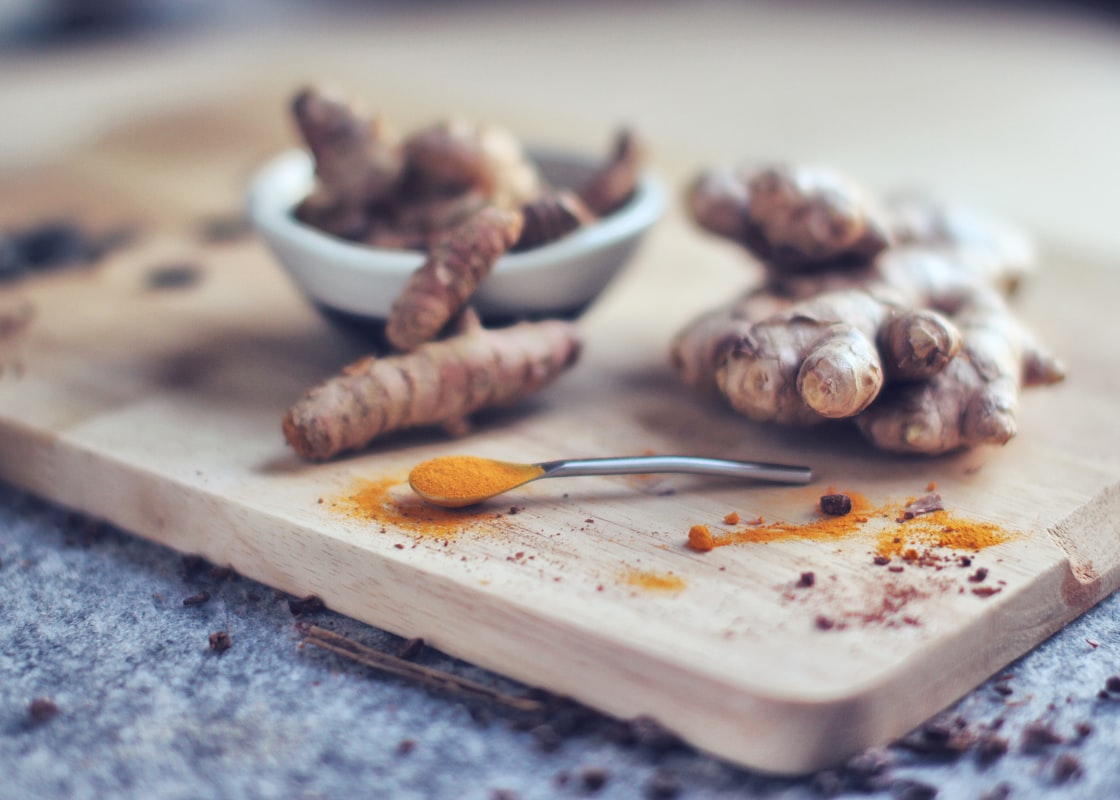
How Chronic Inflammation Quietly Damages Your Joints
Inflammation is your immune system's natural defense mechanism — but when it becomes chronic, it turns against the very tissues it was meant to protect. In joints, prolonged inflammatory activity erodes cartilage, stiffens connective tissues, and contributes to conditions like osteoarthritis and rheumatoid arthritis.
What many people don't realize is that the foods we eat can either fuel or calm this inflammatory process. Refined sugars, trans fats, processed meats, and excessive omega-6 oils consistently drive up inflammatory markers in the bloodstream — contributing to the cycle of joint pain and stiffness that affects so many American adults.
By contrast, an anti-inflammatory diet rich in colorful vegetables, omega-3 fatty acids, polyphenols, and whole grains has been shown in multiple studies to measurably reduce biomarkers of inflammation and improve reported joint comfort. This is not an alternative approach — it is mainstream, evidence-based nutritional science.
Explore Our Recipe LibraryTop Anti-Inflammatory Foods for Joint Relief
Our editors have curated these essential topic guides to help you identify the most impactful dietary additions for reducing joint inflammation and improving day-to-day mobility.
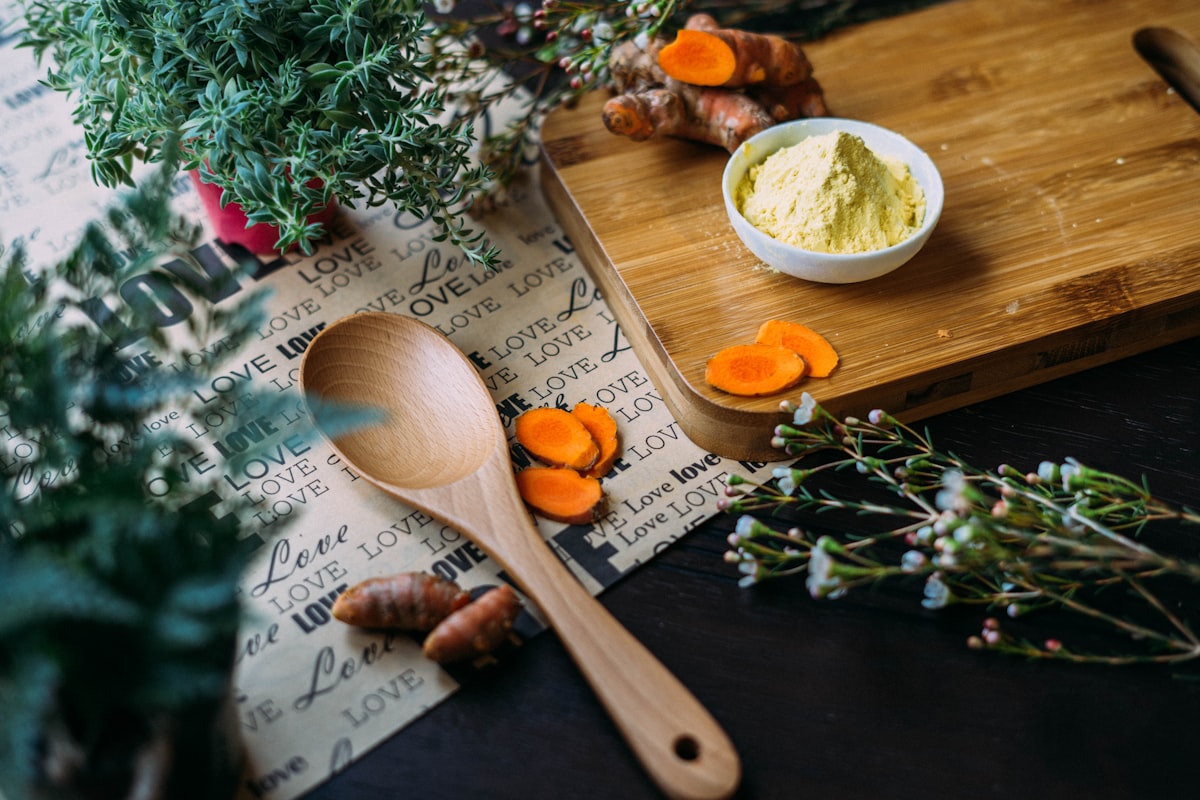
Fatty Fish & Omega-3 Power
Salmon, mackerel, sardines, and trout are among the most potent dietary sources of EPA and DHA — omega-3 fatty acids that directly suppress inflammatory cytokines involved in joint degradation. Regular inclusion of fatty fish in your weekly meals can make a meaningful difference in stiffness and discomfort.
Read Full Guide
Turmeric & Curcumin Science
Curcumin, the bioactive compound in turmeric, has attracted significant research attention for its ability to inhibit NF-kB — a key molecular pathway driving joint inflammation. Our detailed guide explains how to maximize absorption, which dietary pairings boost bioavailability, and what the research actually says about dosage.
Read Full Guide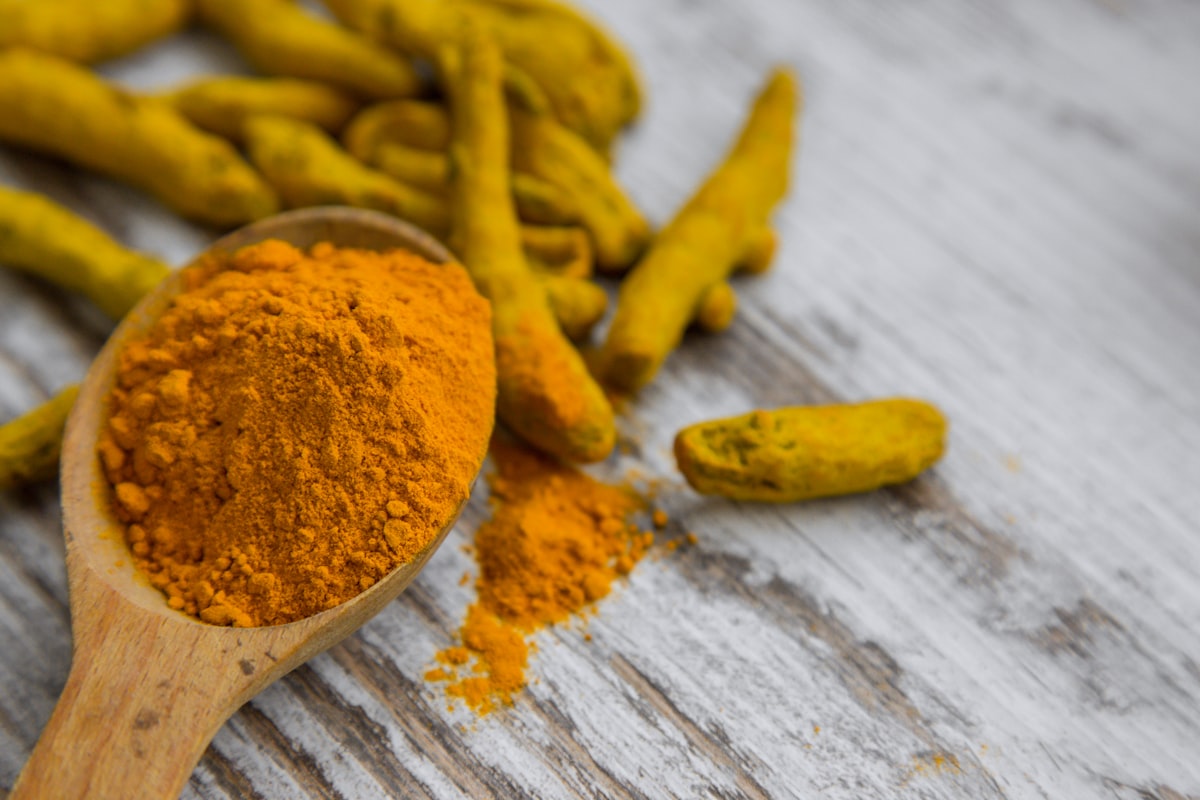
Leafy Greens & Cruciferous Vegetables
Spinach, kale, broccoli, and Swiss chard deliver a concentrated dose of vitamins K, C, and E alongside antioxidant phytonutrients that help neutralize oxidative stress in joint tissues. This editorial guide walks through the best preparation methods to preserve these anti-inflammatory compounds during cooking.
Read Full Guide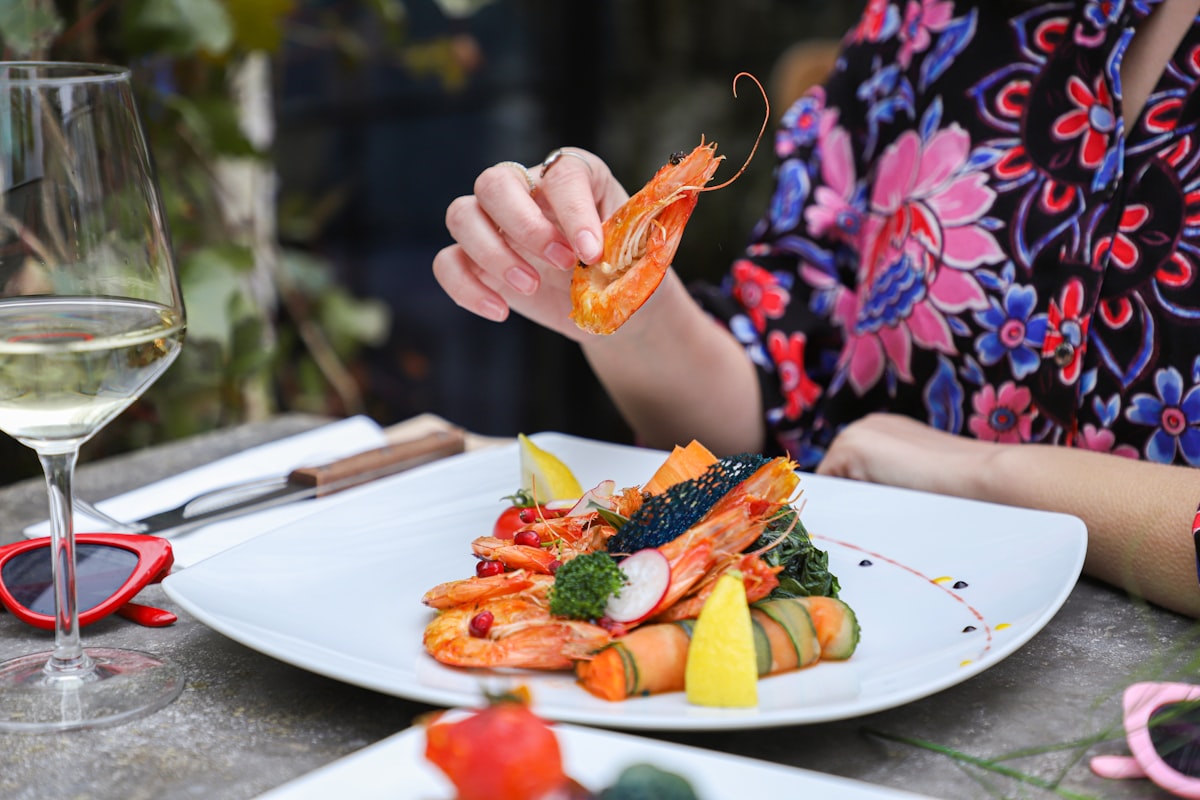
Berries, Polyphenols & Antioxidants
Blueberries, tart cherries, strawberries, and blackberries are loaded with anthocyanins — powerful polyphenols that have demonstrated measurable reductions in C-reactive protein, a primary marker of systemic inflammation. Our article explores how to incorporate berries daily without disrupting overall dietary balance.
Read Full Guide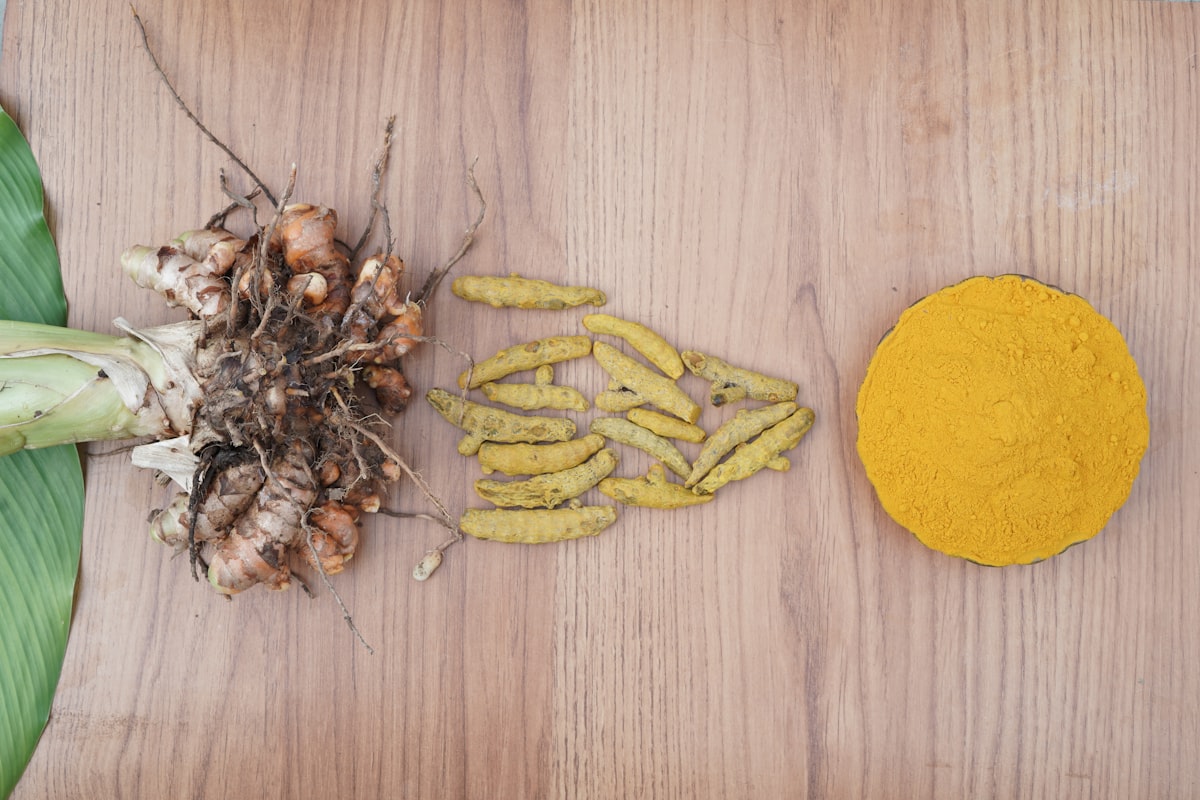
Extra-Virgin Olive Oil Essentials
Extra-virgin olive oil (EVOO) is arguably the most well-studied anti-inflammatory dietary fat. Its oleocanthal content acts similarly to ibuprofen at the molecular level, and its oleic acid profile supports a balanced omega-3 to omega-6 ratio. This guide explains how to select, store, and use EVOO most effectively.
Read Full Guide
Walnuts, Nuts & Healthy Fats
Walnuts stand out among nuts as one of the richest plant-based sources of ALA (alpha-linolenic acid), a precursor to anti-inflammatory omega-3 fats. Combined with almonds, pecans, and seeds like flaxseed and chia, these foods form an essential part of any joint-focused eating plan, as explored in this comprehensive editorial guide.
Read Full GuideCondition-Specific Guides & Meal Planning Resources
Beyond individual foods, our editorial team publishes in-depth frameworks to help you build a complete dietary approach tailored to your joint health goals.
Eating for Osteoarthritis: A Practical Overview
Osteoarthritis involves cartilage breakdown accelerated by oxidative stress and low-grade inflammation. Our editorial guide maps out which nutrients support cartilage matrix health, which foods to limit, and how to structure meals across a typical week.
Read ArticleA 7-Day Anti-Inflammatory Meal Framework
This editorial resource lays out a complete seven-day eating structure designed to reduce dietary inflammation systematically. Each day features breakfast, lunch, dinner, and snack suggestions grounded in published nutritional research and practical real-world preparation.
Read ArticleFoods That Trigger Joint Inflammation
Understanding what to avoid is as important as knowing what to add. This guide details the most common dietary culprits — including refined carbohydrates, vegetable shortening, excessive alcohol, and artificial additives — that research consistently links to increased inflammatory activity in joint tissues.
Read ArticleSimple Steps to Begin Your Anti-Inflammatory Diet Today
You don't need to overhaul your entire lifestyle overnight. These four editorial-recommended steps allow you to build meaningful dietary change at a sustainable, research-backed pace.
Audit Your Current Eating Patterns
Before adding new foods, spend a few days honestly tracking what you currently eat. Identify your primary sources of refined sugars, processed fats, and sodium. Awareness of these patterns is the foundational step that makes all subsequent dietary shifts far more deliberate and effective.
Introduce the Foundational Anti-Inflammatory Foods
Start with the highest-impact additions: fatty fish twice a week, a daily serving of colorful berries, a daily handful of walnuts or flaxseed, and a switch to extra-virgin olive oil as your primary cooking fat. These four changes alone address the most significant dietary inflammation drivers for the majority of people.
Gradually Reduce Pro-Inflammatory Staples
Rather than abrupt elimination — which rarely lasts — make weekly substitutions. Replace white bread with whole grain sourdough. Swap soda for sparkling water with a slice of lemon. Gradually reduce red meat consumption and replace with legumes, fish, or poultry. Small, consistent changes compound into lasting habits.
Hydrate Strategically
Cartilage is roughly 80% water. Chronic mild dehydration reduces the lubricating fluid in joints, increasing friction and pain. Aim for at least 8–10 glasses of water daily. Herbal teas like turmeric-ginger or green tea provide anti-inflammatory polyphenols alongside hydration — a double benefit.
Time Your Meals Around Movement
Eating a protein-rich snack 30–60 minutes before gentle exercise (like walking or swimming) supports muscle recovery and reduces post-exercise joint soreness. After activity, an antioxidant-rich smoothie — think blueberries, spinach, and ginger — helps quell exercise-induced inflammation before it becomes chronic.
Track, Adjust, and Stay Consistent
Keep a simple food-and-symptoms journal for 4–6 weeks. Note what you ate and how your joints felt the following day. Patterns often emerge quickly — many people find that dairy, gluten, or nightshade vegetables (tomatoes, peppers, eggplant) trigger flare-ups for them personally. Individual responses vary widely, so self-tracking is invaluable.
What Others Have Experienced
Dietary changes alone may not cure joint disease, but thousands of people report meaningful improvements in pain, mobility, and quality of life after shifting their eating habits.
"After three months of following an anti-inflammatory diet — more salmon, fewer processed snacks, turmeric in everything — my morning knee stiffness dropped dramatically. I didn't expect food to make such a difference."
Margaret T.
Age 61 · Osteoarthritis
"I swapped my afternoon bag of chips for walnuts and an apple. Added more leafy greens. Within six weeks my rheumatologist noted my inflammatory markers had improved. Small changes, real results."
David R.
Age 54 · Rheumatoid Arthritis
"Bone broth became my morning ritual. I started making a big batch every Sunday — it's economical, comforting, and my hips genuinely feel more fluid. I also sleep better, which probably helps too."
Susan K.
Age 67 · Hip Pain
Individual results vary. These accounts reflect personal experiences and are not intended as medical advice. Always consult a qualified healthcare professional before making significant dietary changes.